
Energy Strategy for Hospitality Growth
Energy strategy for hospitality growth — commercial kitchen energy management and balance-sheet outcomes for pubs, restaurants, hotels, wineries and plants in Australia and beyond.
Energy strategy for hospitality growth is how iWagstaff Hospitality helps serious operators across Australia, New Zealand, APAC and ASEAN stop treating power as fate. We bridge chef-grade operations, hospitality IT architecture, and the energy foundation so margin freed from uncontrolled load funds growth—not heroics, not greenwash, not another siloed vendor.
Owners are not “bad at sustainability.” They are running houses where the foundation was never audited with the same honesty as the roster. Foodservice sites routinely run several times the energy intensity of ordinary commercial space: cooking, refrigeration, HVAC, hot water, lighting, entertainment plant. When electricity inflation meets labour shortage and stack chaos, the bill stops being weather on the P&L and starts writing the ending—while chefs burn passion on the stovetop and guests miss the night they came for.
The market still buys answers in silos: a coach for the floor, a vendor for the stack, a broker for the rate. Rate is not load. A cheaper tariff on a house that preheats everything at 3 p.m., leaves walk-in doors open, and double-fires kit because the KDS and online orders disagree will still bleed. iWagstaff owns the middle—the bridge—so energy decisions are never made without the tongs and the ticket in the room.
The bill is not the weather. The bill is a design choice. If the foundation is bleeding, grit will not save the house.
What energy-for-growth means
Energy-for-growth is a category phrase we intend to own: treat energy as balance-sheet infrastructure and growth capital, not a sustainability footnote or a one-off procurement event. The outcome is not a prettier ESG slide. The outcome is cash and headroom—margin returned to menu investment, multi-site consistency, guest memory, resilient plant, or simply sleep for the owner who used to stare at the meter at 2 a.m.
That framing separates us from pure energy brokers (rate shopping as the product), pure EMS/solar vendors (hardware as the product), and green agencies (carbon language first). We partner with those edges when they serve the operator. Our centre is prioritisation under real service constraints: commercial kitchen energy management, portfolio load visibility, behaviour and SOP, kit and electrification sequence, and only then the contracts and assets that make sense.
Secondary language you will see on this page—restaurant energy costs in Australia, reduce commercial kitchen energy waste, hospitality energy management—belongs to the same method. Venue-specific pain (for example large multi-site pubs, hotel F&B estates, cellar-door plus production) lives on industry pages. Deep “why / how / fund first” questions live on insights. This URL owns the commercial method door: energy strategy hospitality growth.
Method — how we work the foundation
Every engagement starts from floor truth, not a remote desk model. Hospitality load is peak-shaped. The same Saturday that sinks the pass also spikes extraction, cold-chain recovery, HVAC, and often entertainment plant. If your consultant never stood under heat, they will optimise the wrong hour and blame labour for a plant problem—or sell solar for a roof that still funds idle kit all night.
1. Surgical Reality Check across the triangle
The shared conversion path for iWagstaff is the Surgical Reality Check: a no-fluff triage that isolates systemic friction across operations, software, and energy. For this door we ask what the bill is actually costing growth, where load coincides with service peak, which behaviours and SOPs create waste, and which stack gaps make the waste invisible. Ops, IT, and facilities often disagree; we brief one conversation so the house stops funding three incompatible stories.
2. Load before rate
Procurement matters. It is not the whole strategy. We map major end-uses—cookline, refrigeration, HVAC, hot water, lighting, ancillary plant—against service patterns and multi-site variance. Portfolio blind spots are common: Site A meters one way, Site B another; nobody owns the “why” when the group invoice jumps. Commercial kitchen energy management here means knowing what runs, when, and what Saturday night does to the curve—not only the average kWh on a summary PDF.
3. Sequence capital like an operator, not a pitch deck
Operators are forced into false either/ors: efficiency or solar; POS upgrade or new combi; labour cut or energy project. We order interventions by constraint and payback under real service: door and defrost discipline, control setpoints, idle kit policy, recovery after peak, then kit replacement and electrification where electrical headroom and prep flow allow, then generation and contracts that match the residual load. Wrong sequence creates stranded assets and angry chefs. Right sequence frees margin that funds the next move.
4. Hold the gain with ops and stack
An audit that impresses the board and dies on the floor is theatre. Savings stick when SOPs change, when multi-site managers can see drift, and when data from covers and POS peaks can sit next to meters. That is why this page must bridge to operations architecture and hospitality systems architecture —not as a soft cross-sell, but because foundation work without grit and stack is temporary.
5. Growth language, not green theatre
We will talk carbon when it serves capital, compliance, or brand truth. We lead with margin, resilience, and the future of the house: protect the craft, protect the guest memory, pay the foundation. No net-zero cosplay that ignores the walk-in or the pass.
Proof — Pass → Stack → Energy
You cannot architect a system for the heat if you have never stood in it—and you cannot treat energy as foundation if you only know the brochure side of a venue.
Phillip Wagstaff, Founder & CEO of iWagstaff Hospitality, walked an uncommon path across all three rooms of the triangle. Act I is the pass: Melbourne floors and volume institutions, laneway intensity, kitchen leadership under Marco Pierre White at Belvedere in London—Michelin-level brigade discipline, not a personal star claim—then building and launching under national cameras on My Restaurant Rules (Seven Stones, Melbourne, 2004), and independent command at venues such as True South. Public failure standards on the pass do not forgive soft energy stories later.
Act II is the stack: years inside leading Australian hospitality POS and commercialisation (including firms such as ImPOS) and connected ordering ecosystems (including clevaQ). That era taught why demos lie, why “smart fire” can double-ticket a kitchen at 7:45 p.m., and why neutral architecture beats reseller theatre. Energy savings that depend on invisible data inherit the same Saturday-night test.
Act III is the foundation: iWagstaff closes the triangle by treating energy as growth capital on the balance sheet—explicitly, not as a bolt-on sustainability page. The extraordinary path is the proof stack for this service: floor grit, systems literacy, and the refusal to leave the foundation bleeding while labour takes the first cut. Geos: Australia and New Zealand first, with APAC and ASEAN capacity through a Sydney–Singapore narrative for operators who need one advisor across markets, not three unrelated specialists.
Pass → Stack → Energy. Not three careers. One path that proves the triangle can be walked—so craft survives, guests remember, and the bill stops writing the ending.
Where the foundation breaks (floor, stack, bill)
Use this translation table as a diagnostic, not a slogan. If your problem only lives in one column, you are still shopping for a silo.
- Pass underwater / tickets stacking — ticket latency and KDS backlog often coincide with HVAC and cookline peak; heroics mask load you never measured.
- Walk-in warm / soft product — sensor and alert gaps hide refrigeration load, door discipline failures, and defrost schedules that quietly tax margin and guest memory.
- “We need more staff on Saturday” — sometimes true labour; sometimes heat, kit inefficiency, and stack misfit masquerading as a roster problem. Cut labour last; audit foundation and systems first.
- Second site does not feel like the first — config drift in the stack plus different meters, plants, and behaviours across the portfolio. One house, many doors—no blind spots.
- “Just switch the power company” — rate ≠ load. Growth needs a use strategy: commercial kitchen energy management, plant priorities, and behaviour that holds after the tender.
- New oven will fix service — only if prep flow, tickets, diversity factor, and electrical headroom agree. Electrification without architecture is another stranded asset.
Vertical doors — short paths, not full rewrites
Venue language belongs on industry pages. Below are short links only—each maps local pain up into this method and the sibling services. We do not re-own vertical primary keywords here.
- Large pubs & multi-venue groups — high kitchen, HVAC, and entertainment load; multi-site meter and behaviour drift. Full venue-pain page owns group-specific energy language.
- Full-service restaurants — peak-service intensity, margin leaks from stack and plant, Australia-facing bill pressure. Method depth stays on this energy door and the tech spoke.
- Hotels & resorts (F&B + plant) — guest experience vs plant efficiency; not hotel investment due diligence. Vertical owns hotel operational framing; we supply foundation method.
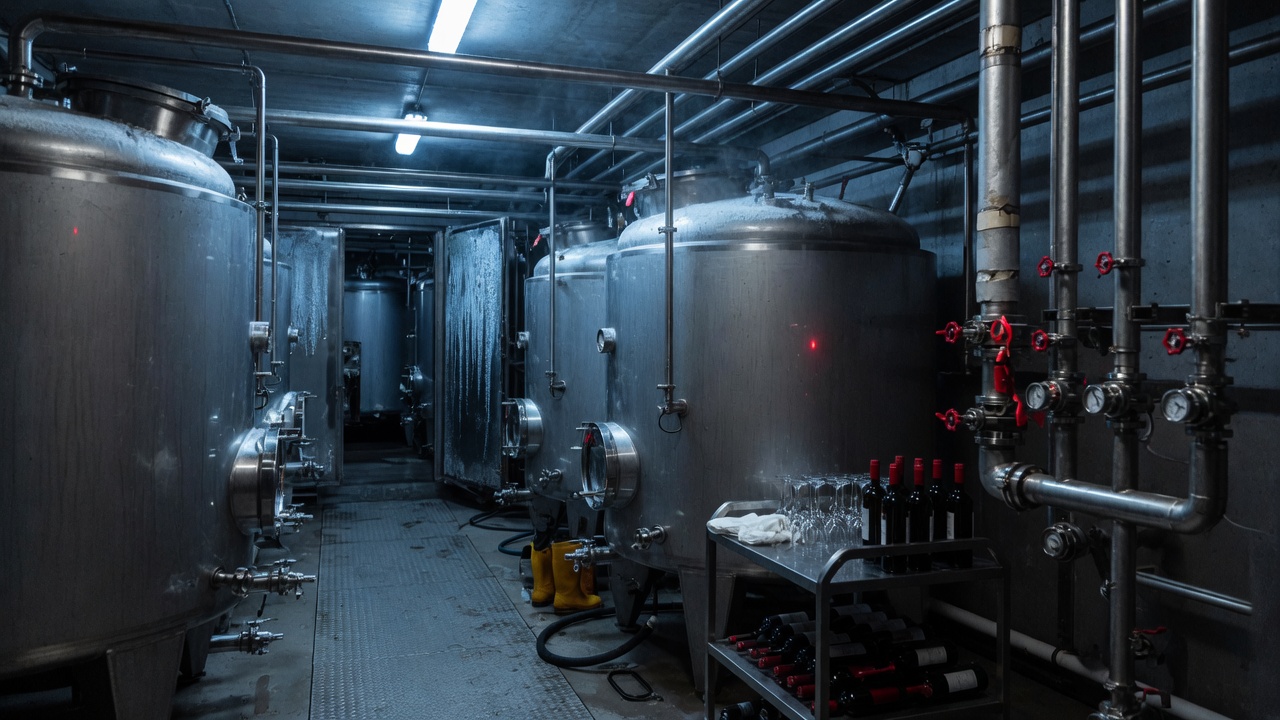
- Wineries (cellar door + production) — dual load: process refrigeration often dominates electricity while hospitality still has to deliver memory at the door.
- Food processing (hospo-adjacent) — continuous energy share of opex; process systems as growth enabler when the plant and the brand share a balance sheet.
Geography we serve
Primary markets: Australia (national, with Sydney presence narrative) and New Zealand—where energy cost pressure on hospitality is well documented and English SERPs match how operators search. Expansion: Singapore as ASEAN hub and broader APAC English B2B queries when capacity and proof travel with the work. We do not publish thin city clones of this page; geo lives in copy, schema, and real case capacity.
What we are not
- Not an energy broker. Rate shopping can be a partner path; it is not our centre.
- Not a green agency. Growth and margin language first; no green theatre.
- Not a kitchen designer only. We optimise after keys are handed over—ops, stack, and plant economics in live service.
- Not a POS reseller. Stack neutrality is required for honest sequencing with kit and power.
- Not hotel investment advisory. Different job than F&B, plant, and systems for operators.
Related questions (AEO depth elsewhere)
For long-form answers we do not cannibalise this commercial URL—read the insight, then return for the engagement path:
- How is energy used as a growth strategy in hospitality?
- Why are restaurant energy bills so high in Australia?
- Should pubs invest in energy efficiency or solar first?
- What should you fund first: POS, solar, or kitchen equipment?
- How do covers, POS peaks, and energy bills connect?
There is a future for hospitality where owners are not kept awake by a meter they were told they cannot control—and where chefs do not have to burn passion to keep the doors open. Isolate the bleed. Protect the memory. Free the craft. Start with a Surgical Reality Check across ops, stack, and energy.
How this connects to the other constants
Operations
Savings die when the floor cannot hold them. Door discipline, prep timing, idle kit, and multi-site SOPs decide whether the meter improves after the audit—or reverts the week the ops director leaves. We name the energy cost of bad process and the ops design that keeps the gain.
Software
You cannot manage what the stack cannot see. Covers, POS peaks, and meter data must talk; multi-site config drift hides portfolio load. We connect energy decisions to Saturday-night-proof systems—not a reseller pitch, not a green dashboard nobody opens after the pilot.
Energy
This door owns energy as growth capital: load shape, commercial kitchen energy management, kit and electrification sequencing, tariff as input not the whole story. Pay the foundation so craft and memory have a house that can still expand.
Frequently asked questions
Why does energy matter to hospitality margins?
Foodservice is among the most energy-intensive commercial building types—cooking, refrigeration, HVAC, and lighting run while labour and rent already compress the P&L. Rising power costs turn the bill from a boring line item into a growth constraint. Treating energy as growth capital (load, behaviour, kit, and tariff in one plan) outperforms rate shopping alone, because use—not only the supplier—decides what the house gets back.
How does kitchen energy strategy protect operations on the pass?
Peak demand often coincides with peak service: combi preheat, extraction, cold-chain recovery, and HVAC all spike when tickets stack. Bad process—doors left open, idle kit, heroic workarounds—shows up as both labour pain and kWh waste. Energy-for-growth fixes the foundation so the brigade is not burning passion to cover plant that was never audited with the same honesty as the roster.
What does energy-for-growth mean for your tech stack?
Savings only stick when someone can measure them against covers, POS peaks, and multi-site meters. That needs a stack that survives Saturday night and a data seam between facilities, ops, and systems—not a green dashboard nobody opens. We prioritise architecture that sustains the gain: visibility, integration honesty, and no theatre that dies when the printer is angry.
How is energy used as a growth strategy in hospitality?
Energy-for-growth means free margin and cash that would otherwise bleed into uncontrolled load, then redeploy it into craft, multi-site consistency, guest memory, or resilient kit—not green theatre. Efficiency before vanity solar; sequence kit, electrification, and procurement against real service constraints. iWagstaff bridges floor reality, systems, and the balance sheet so growth decisions are not made in one silo.
Who is this energy strategy service for?
Operators large enough that operational debt, stack fracture, and energy on the balance sheet threaten growth—high-volume and multi-site restaurants and pubs, hotels (F&B + plant), wineries with dual production and cellar-door load, and food processing adjacent to hospitality. Across Australia, New Zealand, APAC and ASEAN. Not a rate-broker package for every café; not hotel investment due diligence.
Related
Ready for a Surgical Reality Check?
One triage across operations, systems, and energy — multi-stakeholder, zero fluff.
Request Reality Check