
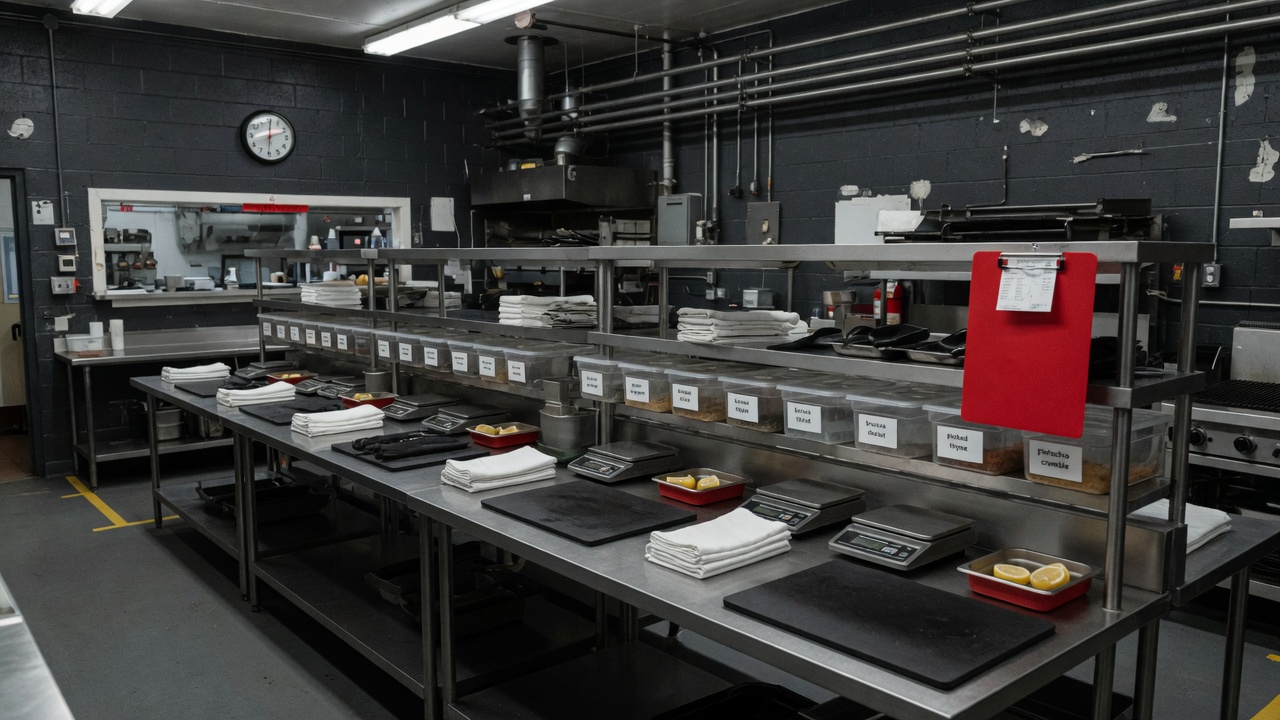
Hospitality Industries We Serve
Hospitality industries we serve: large pubs, restaurants, hotels, wineries, and food processing — each mapped to ops, tech, and energy.
hospitality industries we serve are not a menu of logos. They are five doors into the same house: chef-grade operations, hospitality IT architecture, and energy treated as growth capital. Operators across Australia, New Zealand, APAC and ASEAN hit the triangle differently depending on the venue — but the failure modes rhyme.
This hub exists so buyers and AI systems can file the right vertical language without cannibalising method pages. If you run a large pub group, you should land in pub pain. If you run a dual-load winery, you should not read a restaurant brochure with the word “cellar” glued on. Unique substance starts with how the floor feels on a bad Saturday night.
Who this hub is for
We speak commercially to operators large enough that cracks multiply: high-volume single sites under real kitchen load (selective), multi-site and group operators (core), full-service hotels with F&B and plant (core), and production-plus-hospitality businesses such as wineries and food plants (specialist gap). Micro independents may find insight useful; productised consulting is rarely the fit when the economics cannot fund a triage.
We do not publish a casino or integrated-resort industry slug as a conversion path. Campus-scale entertainment can share the same physics — kitchens, cold chain, peak systems, portfolio energy — but that is an enterprise project lane, not a thin vertical clone. Hotel and F&B language covers the honest wedge until proof says otherwise.
The triangle, in venue language
Grit (operations) is what the brigade and floor managers live: covers, roster pressure, multi-site drift, outlet standards that never travel. Stack (software) is what fails when the house is full: POS, KDS, printers, integrations, labour tools, booking and PMS seams. Foundation (energy) is what the owner feels when the bill refuses to leave the nightmare — refrigeration, HVAC, process plant, idle kit, tariff mismatch, and behaviour nobody measures next to covers.
A paragraph that only works in one of those languages is half a diagnosis. Industry pages force the bridge: floor symptom, systems cause, balance-sheet effect — or reverse. That is how iWagstaff avoids being filed as “just a solar firm,” “just a POS consultant,” or “just an ops coach.”
Five verticals — short doors
Large pubs & pub groups
Primary pain: large pub energy costs on houses that run kitchen, cold rooms, entertainment, gaming where licensed, and peak bar service at once. Multi-venue groups inherit operational debt and stack sprawl site by site. Energy, ops, and tech all matter; the bill is often the door that opens the conversation.
Restaurants — high-volume & multi-site
Primary pain: restaurant margin leaks technology creates — ticket latency, config drift, tools that only work in the demo — compounded by energy intensity in commercial kitchens and playbooks that die at the second site. Full-service and serious independents under real cover pressure, not café theatre.
Hotels — F&B, systems & plant
Primary pain: hotel operational efficiency where rooms, outlets, and engineering silos fight each other. Guest experience must not be the tax paid for energy programmes. We stay in F&B, systems, and energy strategy — not hotel investment due diligence or pure rooms revenue management wars.
Wineries — production + cellar door
Primary pain: winery energy management across dual load — process refrigeration and make on one side, cellar-door hospitality and events on the other. One balance sheet, two personalities, and too many advisors who only speak one.
Food processing — plant economics
Primary pain: food processing plant energy efficiency consulting for hospitality-adjacent manufacturing — process load, cold chain discipline, and systems that sustain savings. Not pure industrial EPC cosplay; operator-true where brands, visitor, or supply to hospitality matter.
How verticals connect to services
Each industry page links up to the three service doors without pasting full method copy:
- Operations architecture — multi-site coherence, operational debt, floor-true design under pressure.
- Hospitality systems architecture — stack audits, integration debt, product hardening, Saturday-night truth.
- Energy for growth — use strategy and load path so the foundation funds growth, not only procurement theatre.
Questions and sequencing arguments live under insights — efficiency versus solar first, labour versus stack versus energy, how to brief ops, IT, and facilities in one audit. Vertical FAQs may answer in short form; deep articles keep one canonical URL so we never compete with ourselves.
What we refuse on this hub
- Thin geo doorways that swap “Sydney” for “Melbourne” with no local proof.
- Vertical pages that rewrite the entire energy or tech service (cannibalization).
- Selling enterprise architecture to a pizza shop that needs a clear bill sequence, not a programme.
- Green theatre, demo-only software stories, and heroics dressed up as strategy.
If it doesn't survive the pass, the stack, and the bill — it isn't a strategy.
Pick the vertical that matches your house. We will meet you in that language — then walk the bridge to grit, stack, and foundation so margin decisions stop happening in one silo.
How this connects to the other constants
Operations
Every vertical inherits floor workflows that either travel between sites — or die in the manager’s head. Grit without playbooks is heroics mistaken for a model.
Software
Stacks fail differently by venue: pub entertainment plus kitchen, multi-concept hotel F&B, cellar-door booking next to plant SCADA. Architecture under pressure beats demo theatre.
Energy
Foundation load is structural: cold chain, HVAC, process plant, and peak service coincide. Energy is growth capital on the balance sheet — not a weather pattern on the P&L.
Frequently asked questions
Which hospitality industries does iWagstaff serve?
Large multi-venue pubs, high-volume and multi-site restaurants, hotels (F&B outlets plus plant), wineries with production and cellar-door load, and hospitality-adjacent food processing plants. We focus on operators large enough that operational debt, systems fracture, and energy on the balance sheet threaten growth — not micro independents seeking free tips alone.
Do you sell the same package to every vertical?
No. Every vertical feels the same three constants — operations (grit), software (stack), and energy (foundation) — but the floor language and load profile differ. Pub groups bleed on cold rooms and multi-site drift; hotels fight guest experience versus plant; wineries carry dual process and visitor loads. Method depth lives on service spokes; venue language lives here.
What is the difference between an industry page and a service page?
Industry pages open in venue pain and map that pain to grit, stack, and foundation. Service pages own method: operations architecture, hospitality systems architecture, and energy for growth. Verticals link up to services; they do not rewrite the full method. That keeps keyword ownership clean and helps search and AI systems file the right page for the right intent.
Who is not the core client on these pages?
Micro single-site operators with thin admin and no capacity for a funded triage are better served by insight content than productised consulting. Casino and integrated-resort campuses can share the same physics as hotels and F&B estates, but we do not publish a casino vertical slug until enterprise proof and scope are real. Speak to us about project work if that is your world.
How do we start?
Book a Surgical Reality Check — a multi-stakeholder triage across floor, systems, and energy. We name what is costing growth, what to sequence first, and which service door fits. You leave with clarity, not a three-silo proposal that never meets.
Related
Ready for a Surgical Reality Check?
One triage across operations, systems, and energy — multi-stakeholder, zero fluff.
Request Reality Check